ADVERTISEMENT
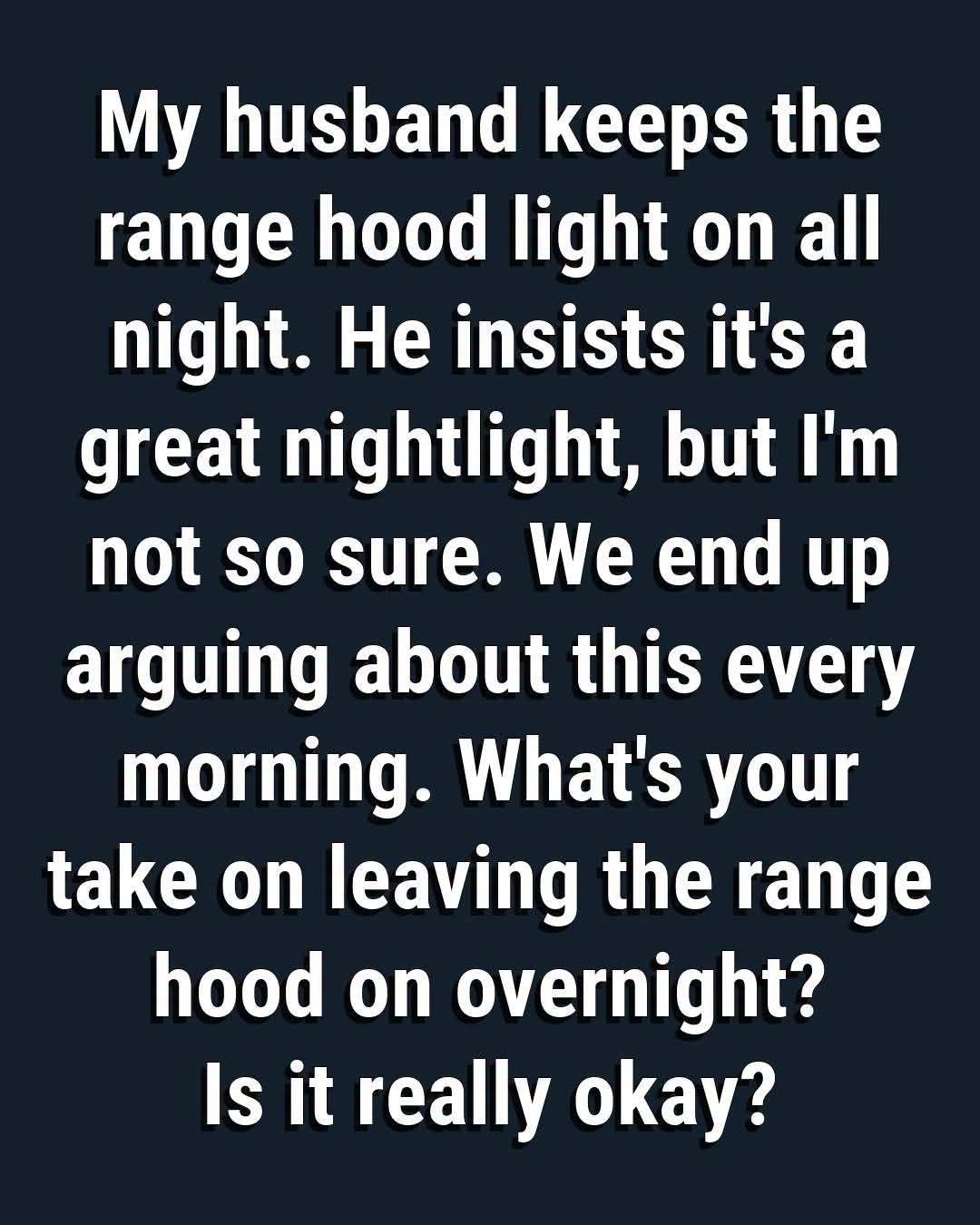
Have you ever climbed into bed only to wonder whether you forgot to turn off the range hood light? Or perhaps you intentionally leave it on because it provides a comforting glow for late-night trips to the kitchen. It’s a common habit in many households, especially for people who live alone or simply prefer a little extra light after dark.
Before you decide to leave that light glowing every night, it’s worth understanding the safety, energy, and health considerations involved.
Understanding Your Range Hood Lighting
Not all range hood lights are created equal. Modern lighting technology has made overnight use much safer than it was years ago, but older fixtures deserve a little more attention.
LED Bulbs: The Best Choice
LED lights consume very little electricity compared to traditional bulbs. They also generate very little heat, making them ideal for extended use. Even after operating for many hours, an LED bulb remains much cooler than older lighting technologies.
Benefits of LED range hood lights include:
- Extremely low energy consumption
- Minimal heat production
- Long lifespan
- Lower fire risk
- Reduced electricity costs
Incandescent and Halogen Bulbs
Older range hoods often use incandescent or halogen bulbs.
Although properly installed fixtures are generally safe, keeping these bulbs on all night means:
- Higher electricity usage
- More heat buildup
- Faster bulb wear
- Slightly greater stress on the light fixture
Is It Safe to Leave Range Hood Lights On All Night?
For most modern kitchens, the answer is yes—but there are a few important things to keep in mind.
Fire Safety Considerations
A properly installed range hood is designed to withstand the heat generated by its lighting system. Manufacturers test these appliances to ensure the fixtures operate safely for extended periods.
- Damaged wiring
- Loose electrical connections
- Cracked light sockets
- Grease buildup inside the hood
- Bulbs with higher wattages than recommended
If your range hood is old, damaged, or hasn’t been cleaned in years, it’s a good idea to inspect it before routinely leaving the lights on overnight.
Keeping the hood free of grease also reduces fire risk, since grease is highly flammable if exposed to excessive heat.
How Much Electricity Does It Use?
A typical LED range hood light uses only a few watts of electricity.
- A 5-watt LED running for 10 hours uses approximately 0.05 kilowatt-hours (kWh).
- In many areas, that costs only a fraction of a cent to a few cents per night.
By comparison:
- A 40-watt incandescent bulb uses roughly eight times more electricity over the same period.
Over the course of a year, switching to LED lighting can noticeably reduce your electric bill while also extending the life of your range hood.
Can Overnight Lighting Affect Your Sleep?
While the light itself may be safe, experts suggest thinking about how nighttime lighting affects your body’s natural sleep cycle.
Understanding Your Circadian Rhythm
Your body follows a 24-hour internal clock called the circadian rhythm.
One of its most important signals is darkness.
As evening arrives and your surroundings become darker, your brain releases melatonin, a hormone that helps prepare your body for sleep.
Bright light—especially cool white or blue-rich light—can reduce melatonin production and make it harder to fall asleep or stay asleep.
If your bedroom opens directly into the kitchen, a bright range hood light may create enough ambient light to interfere with restful sleep.
Why Quality Sleep Matters
Consistently poor sleep has been linked to several health concerns, including:
- Increased daytime fatigue
- Difficulty concentrating
- Elevated stress hormone levels
- Reduced immune function
- Higher risk of long-term health problems
For this reason, many sleep specialists recommend keeping bedrooms as dark as possible throughout the night.
If you simply enjoy having a little light for nighttime trips to the kitchen, choosing a softer, warmer light can provide a good balance between safety and sleep quality.
Better Alternatives for Overnight Kitchen Lighting
If your goal is simply to navigate safely after dark, there are several options that may work even better than leaving your range hood light on.
Use Warm LED Bulbs
Warm white LEDs (around 2700K) produce a softer, amber-colored glow that feels more relaxing than bright daylight-colored bulbs.
They’re easier on the eyes and less likely to disrupt your body’s nighttime routine.
Install Motion-Sensor Night Lights
Motion-activated night lights have become increasingly popular because they only illuminate when needed.
Benefits include:
- Very low energy use
- Automatic shutoff
- Reduced light exposure while sleeping
- Safer nighttime walking
- No need to remember turning lights off
Placing one near the kitchen entrance or along a hallway often provides plenty of light without illuminating the entire room.
Consider Timers or Smart Controls
Many homeowners now use:
- Smart plugs
- Smart bulbs
- Built-in timers
- Home automation systems
These allow the light to switch off automatically after a certain time, providing convenience without leaving it on until morning.
A timer can also give peace of mind if you occasionally forget to turn lights off before bed.
Frequently Asked Questions
Is it okay to leave my range hood light on every night?
Yes, in most cases it is. If your range hood uses modern LED bulbs and the fixture is in good working condition, leaving the light on overnight is generally considered safe. However, if your range hood has older incandescent or halogen bulbs, it’s better to limit overnight use because they produce much more heat and consume significantly more electricity.
Can leaving the light on start a fire?
The risk is extremely low if the appliance is properly installed, well-maintained, and fitted with the correct bulbs. The biggest concern isn’t the light itself but poor maintenance. Grease buildup inside the hood, damaged wiring, or using bulbs that exceed the manufacturer’s recommended wattage can increase fire risk. Regular cleaning and inspection help keep your kitchen safe.
Does leaving the light on waste a lot of electricity?
That depends on the bulb type. LED bulbs use very little power, so the cost of running one overnight is usually only a few cents—or even less—depending on local electricity rates. Older incandescent and halogen bulbs consume much more energy, making them less economical for overnight use.
Can the kitchen light affect my sleep?
It can. Bright light, especially cool white or blue-toned light, may interfere with your body’s natural production of melatonin, the hormone that helps regulate sleep. If your bedroom is close to the kitchen or you are sensitive to light, using a dim, warm-colored bulb or a motion-sensor night light may help you sleep better while still providing enough illumination for nighttime trips.
What’s the best alternative to leaving the range hood light on?
A low-level LED night light or motion-activated floor light is often the best solution. These lights provide enough brightness to move safely through the house while using very little electricity. Many also switch off automatically, making them both convenient and energy-efficient.
Final Thoughts
Leaving your range hood light on overnight is usually nothing to worry about—especially if your kitchen is equipped with modern LED lighting. These bulbs are designed to operate efficiently, stay cool during extended use, and consume very little electricity, making them a practical option for anyone who prefers a softly lit kitchen at night.
That said, it’s always worth considering whether a range hood light is the best tool for the job. If your goal is simply to make nighttime trips to the kitchen safer, a dedicated LED night light or motion-activated fixture may provide the same peace of mind while using even less energy and creating less light that could interfere with sleep.
Regular maintenance is just as important as the type of bulb you use. Keeping your range hood clean, checking for grease buildup, replacing worn bulbs with the correct wattage, and inspecting the fixture occasionally will help ensure it continues to operate safely for years to come.
Ultimately, the decision comes down to your personal needs. Whether you enjoy the comfort of a softly illuminated kitchen, need extra visibility for nighttime mobility, or simply forgot to switch the light off before bed, you can rest easy knowing that a properly maintained range hood with LED lighting is generally safe to leave on overnight.
With the right lighting choices and a little routine maintenance, you can enjoy a safer, more comfortable kitchen while keeping energy costs low and your home running efficiently.
ADVERTISEMENT
