ADVERTISEMENT
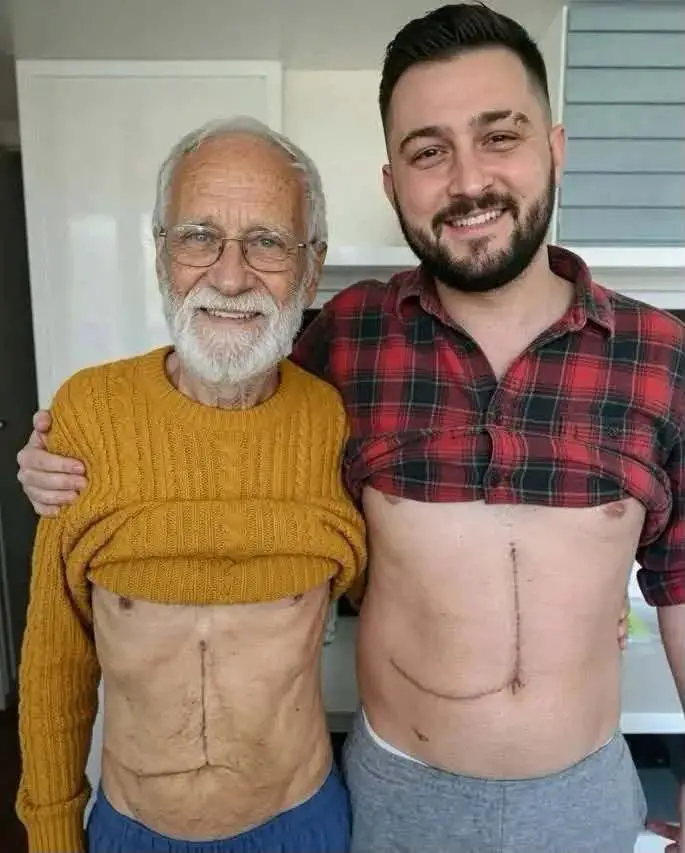
An act of extraordinary generosity has reportedly become a heartbreaking ordeal for one family. According to the account, a young man volunteered to donate part of his liver to save his father’s life after learning that his condition had become critical. The transplant surgery was initially described as successful, giving the family renewed hope for the future.
The account has drawn widespread attention online and prompted renewed conversations about the courage of living organ donors and the risks involved in major transplant surgery.
A Life-Changing Decision
According to the report, the father required a liver transplant after his health deteriorated.
Living liver donation is possible because the liver has a unique ability to regenerate. During the procedure, surgeons remove a portion of the donor’s healthy liver and transplant it into the recipient. Over time, both the donor’s remaining liver and the transplanted portion can grow and regain much of their function.
The surgery is highly specialized and requires extensive medical evaluation to help ensure the safety of both donor and recipient.
Initial Signs of Hope
Family members expressed gratitude that the operation appeared to have achieved its intended goal.
For a brief period, it seemed the family’s difficult journey was finally moving toward a positive outcome.
An Unexpected Setback
Although the specific medical issues were not detailed, the report states that his condition became critical, requiring continued treatment and close monitoring by healthcare professionals.
The family, which had been celebrating the father’s recovery, suddenly found itself focused on supporting the son’s fight for recovery as well.
Understanding Living Liver Donation
Living liver donation has transformed the lives of thousands of patients who might otherwise wait months or even years for a deceased donor organ.
Unlike most organs, the liver has a remarkable ability to regenerate. Surgeons can remove a portion of a healthy donor’s liver, transplant it into the recipient, and, over time, both the donor’s remaining liver and the transplanted section can regrow to restore much of their normal function.
- Comprehensive physical examinations.
- Blood and tissue compatibility testing.
- Imaging studies of the liver.
- Psychological assessments.
- Consultations with transplant specialists.
These evaluations help ensure that donation is as safe as possible for both the donor and the recipient.
Risks Associated With Major Surgery
Like any major operation, it carries potential risks, including:
- Bleeding.
- Infection.
- Blood clots.
- Bile leaks.
- Temporary liver dysfunction.
- Reactions to anesthesia.
- Other surgical complications.
Fortunately, most living liver donors recover well and return to their normal activities after an appropriate recovery period. However, complications can occur despite careful planning and expert medical care.
Healthcare providers discuss these risks thoroughly with prospective donors before surgery so they can make informed decisions.
The Emotional Journey for Families
Organ transplantation affects entire families, not just the patient and donor.
Families often experience a mixture of:
- Hope.
- Anxiety.
- Relief.
- Uncertainty.
- Gratitude.
- Emotional exhaustion.
According to the account, the father’s recovery was initially a source of celebration. When the son’s condition reportedly worsened, the family’s focus shifted immediately toward supporting his recovery as well.
Situations like these illustrate the emotional resilience often required throughout the transplant process.
Public Support and Awareness
Stories involving living organ donation frequently inspire public appreciation for donors who choose to undergo surgery to help someone they love.
At the same time, they remind the public that transplantation involves both extraordinary generosity and significant medical responsibility.
Medical experts encourage anyone considering organ donation to speak with qualified transplant professionals, who can explain:
- The evaluation process.
- Potential benefits.
- Possible complications.
- Recovery expectations.
- Long-term follow-up care.
Accurate information helps prospective donors make decisions based on medical evidence rather than emotion alone.
Hope Through Recovery
Although the family’s story took an unexpected turn, it also highlights the resilience that often accompanies the transplant journey. According to the account, while the father continued recovering from his successful liver transplant, medical teams focused on providing intensive care to the son as he faced postoperative complications.
Families navigating situations like this often rely not only on skilled healthcare professionals but also on the emotional support of relatives, friends, and their wider community. Recovery from major surgery can be unpredictable, and every patient’s experience is unique.
Recognizing the Gift of Organ Donors
Living organ donors make an extraordinary commitment.
They willingly undergo major surgery—not for their own health, but to give someone else a chance at life.
Medical professionals carefully evaluate every potential donor because protecting the donor’s health remains a top priority throughout the process. Even with extensive screening and experienced surgical teams, no operation is completely without risk.
Stories like this remind us to recognize both the courage of donors and the dedication of transplant teams who work to care for both donor and recipient.
Advances in Transplant Medicine
Modern liver transplantation has achieved remarkable success over the past several decades.
Ongoing advances include:
- Improved surgical techniques.
- Better imaging technology.
- Enhanced postoperative monitoring.
- More effective infection prevention.
- Comprehensive rehabilitation programs.
- Long-term follow-up care for donors and recipients.
These developments have significantly increased survival rates and improved quality of life for many transplant patients.
Researchers continue working to make organ donation and transplantation even safer for everyone involved.
Final Thoughts
According to the reported account, a son’s selfless decision to donate part of his liver gave his father a renewed chance at life but was later followed by serious medical complications affecting the donor himself. While the specific outcome was not confirmed, the story serves as a powerful reminder that living organ donation is both an extraordinary act of generosity and a major medical procedure with inherent risks.
Despite these challenges, living organ donation continues to save countless lives around the world. Careful medical evaluation, experienced transplant teams, and ongoing follow-up care help maximize safety for both donors and recipients.
Ultimately, this family’s experience underscores the remarkable courage shown by living organ donors. Their willingness to place another person’s well-being before their own reflects one of the most profound expressions of compassion and selflessness. At the same time, it highlights the importance of supporting both recipients and donors throughout every stage of the transplant journey—from evaluation and surgery to recovery and long-term care.
ADVERTISEMENT
