ADVERTISEMENT
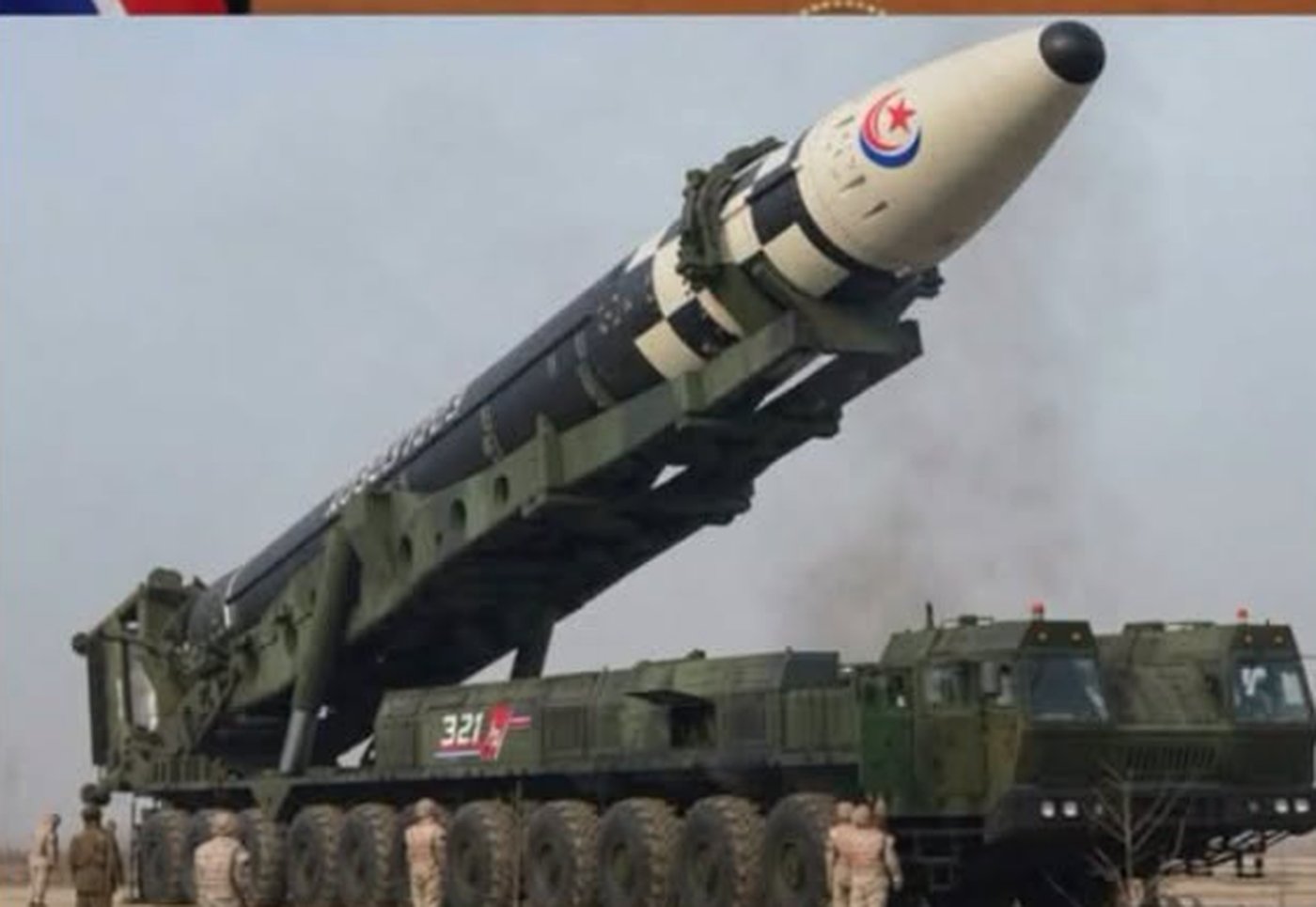
Recent headlines circulating online have sparked confusion and concern, claiming that Korea issued an order to attack another country. The story spread rapidly across social media, triggering debates and, in some cases, public panic. However, after verification by credible sources, these claims have been confirmed to be false.
The viral narrative suggested that the Korean government had authorized a military strike, raising fears of escalating regional tensions. Many posts and articles amplified the claim without referencing official statements or reliable evidence. This absence of credible sourcing is a common characteristic of misleading information.
In reality, official government channels and respected international news organizations have confirmed that no such order has been issued. South Korean officials have reiterated that their priority remains maintaining stability, monitoring global developments, and ensuring national security. There is no indication of any planned military action connected to these claims.
Several factors explain how misinformation spreads so quickly
To avoid being misled, it is important to consult trusted sources. Reliable information can be found through official government announcements, well-established news organizations such as Reuters, the Associated Press, and the BBC, and expert analysis from credible scholars.
Verifying information across multiple sources helps ensure accuracy
South Korean authorities have consistently emphasized diplomacy and regional cooperation. Their public statements reflect a commitment to peaceful conflict resolution and ongoing engagement with international partners. This approach stands in clear contrast to the alarming claims circulating online.
While some individuals react with concern, others question the credibility of what they see
Everyone has a role in reducing the spread of false information by verifying claims before sharing them and encouraging informed discussions.
ADVERTISEMENT
